
 By Plumber in Auburn Hills, MI, plumbers on Pond Run in Auburn HillsPublished October 28, 2026Last updated October 28, 2026
A home built in the late 1990s or 2000s still feels new, which is why owners are surprised when the plumbing starts acting up. The house is not old, but the builder-grade parts it was finished with, water heaters, shutoff valves, disposals, sometimes the supply pipe itself, have service lives, and in a subdivision where everything went in at once, they tend to reach the end of those lives together. The result is a predictable wave of failures in homes that are only ten to twenty-five years old.
Here is what tends to go first in a home of that age, and why it clusters the way it does.
Why a newer home starts having problems
The reason is less about age than about how the house was built. A subdivision home is finished to a budget with builder-grade fixtures and fittings chosen to pass inspection and work on day one, not to last the longest. Those parts have real service lives, often ten to fifteen years, and a whole neighborhood built in the same two-year span reaches those lives at roughly the same time. On the hard Great Lakes water across Oakland County, the clock runs a little faster, since hardness is tough on water heaters and fixtures. So the wave of repairs that hits a street of 2005 colonials around now is not bad luck; it is the original parts reaching their expected end on schedule.
The water heater is usually first
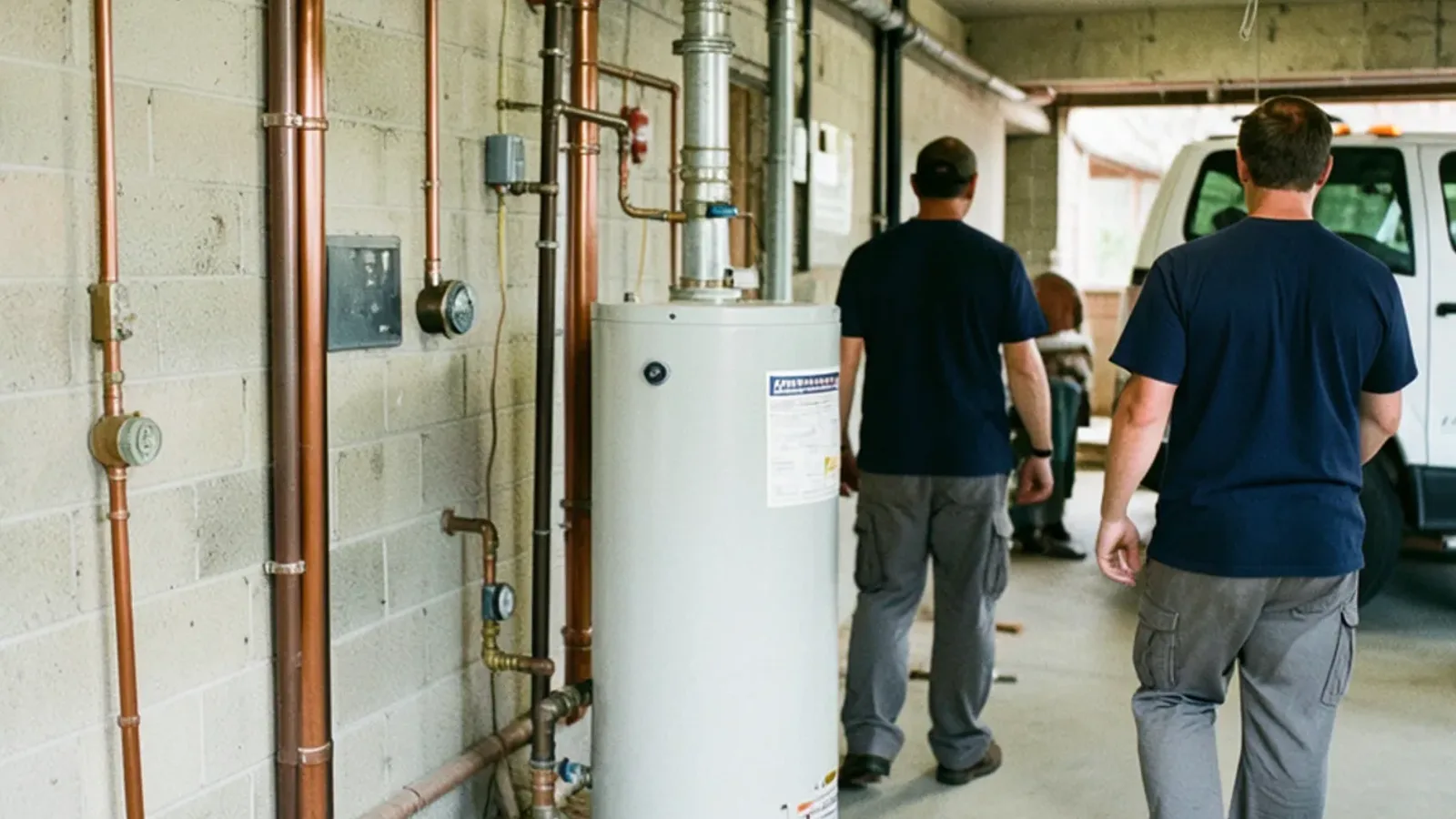
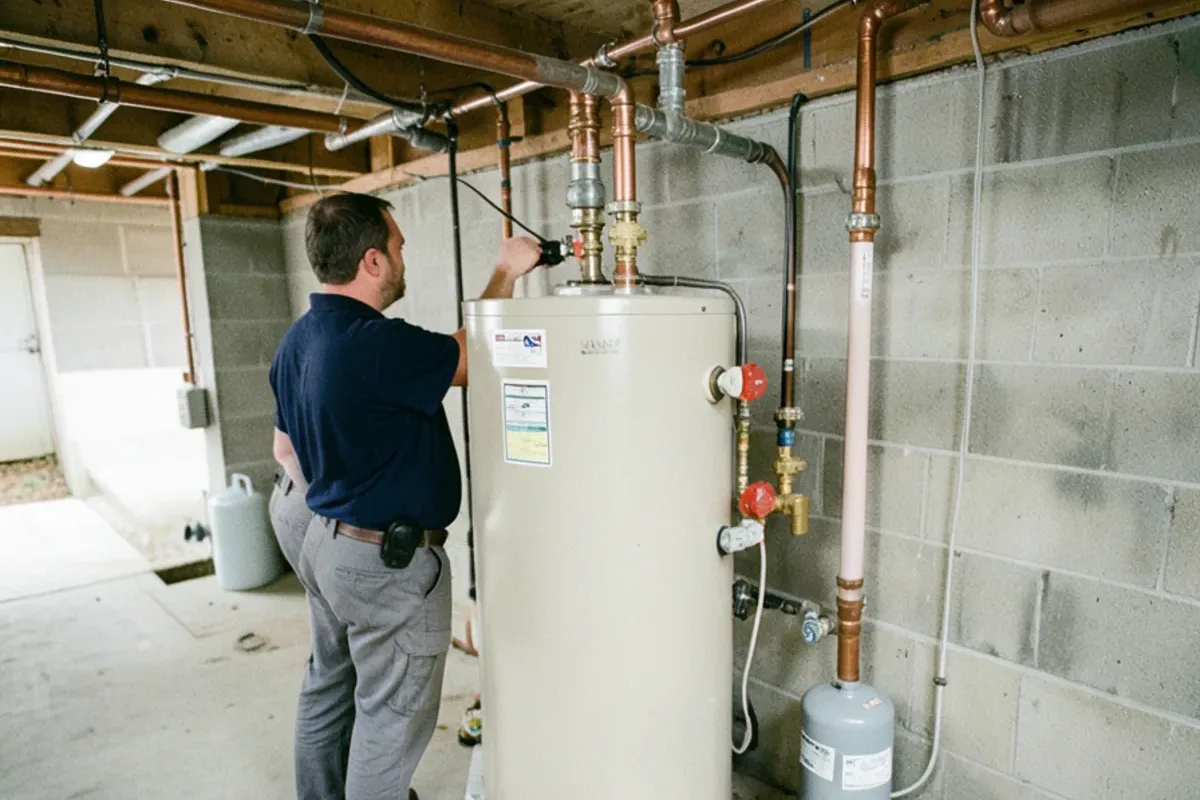
The builder-grade tank water heater is the part most owners meet first, because it has one of the shorter lives in the house and the hard water shortens it further. Somewhere around the twelve-to-fifteen-year mark, often earlier here, it starts to rumble with sediment, recover more slowly, or leak from the tank. Because neighbors’ heaters were installed in the same window, a subdivision can see a run of replacements in the same couple of years. Catching it before the tank lets go, rather than after it empties across a finished basement, is the goal, and it is a natural moment to consider a softener to protect the next one. Our water heater page covers the options.
Shutoffs, disposals and fixtures
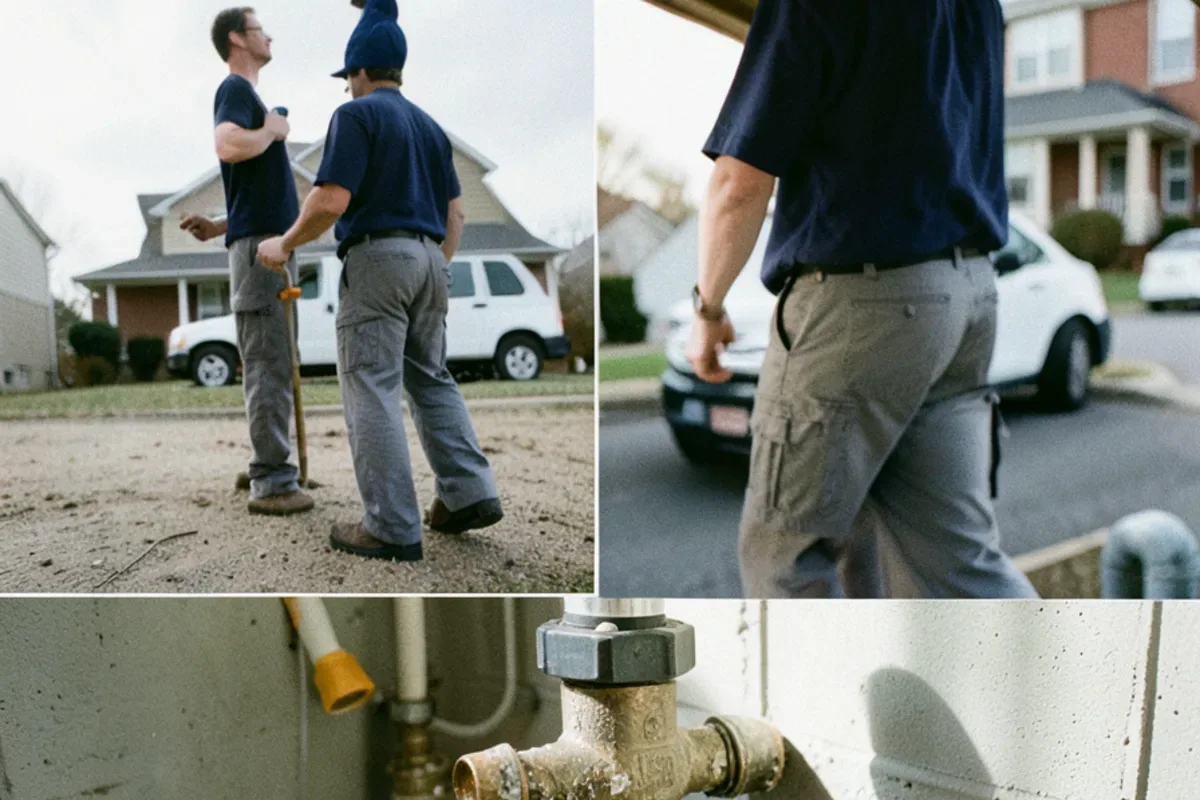
Behind the heater comes the long tail of small builder-grade parts. The plastic quarter-turn and multi-turn shutoff valves under sinks and toilets seize or weep after a decade, and the one you reach for in a hurry is often the one that will not turn. Garbage disposals, a budget item in most builds, wear out and jam. Faucet cartridges drip, toilet fill valves and flappers fail and run, and hose bibs split from a freeze or two. None of these is a crisis on its own, but they arrive in a cluster as the house crosses the fifteen-year line, which is why it can feel like the plumbing is suddenly falling apart when really a batch of ten-dollar-to-hundred-dollar parts is aging out at once.
The bigger-ticket surprises
A few problems in this age band are larger and catch owners off guard. Homes built in the window when polybutylene was still used can have that gray plastic supply pipe, which fails at its fittings and may warrant a repipe. Homes with a basement bathroom or laundry below the sewer line rely on a sewage ejector pump, and those pumps reach the end of their life and need replacement, which our ejector pump work handles. Sump pumps installed with the house wear out right as the owner has started trusting them. These are not signs of a bad home; they are the systems a builder installed reaching the age where the original equipment is simply due. What they share is that they tend to fail suddenly and in places that cause damage, a basement, a wall, a finished lower level, which is exactly why they are worth getting ahead of rather than waiting out.
Getting ahead of the wave
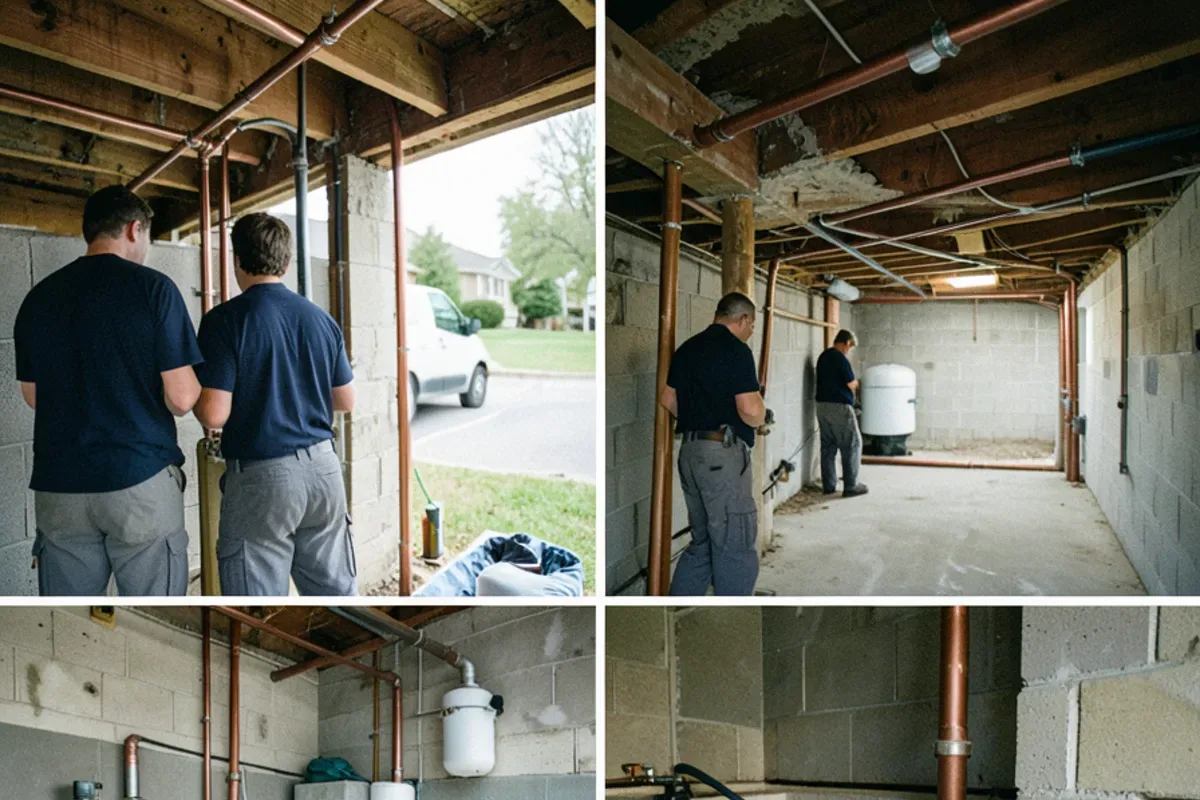
The useful way to think about a ten-to-twenty-five-year-old home is that its original parts are on a schedule, and you can either meet them on your terms or on theirs. Replacing a water heater before it leaks, swapping seized shutoffs during other work, and testing the sump and ejector pumps before a storm or a party all cost far less than the emergency versions. An afternoon walking the plumbing with someone who knows what fails at this age turns a string of surprises into a short list you can plan through, which is a much easier way to own a home than waiting for each part to announce itself.
Questions people ask about this
Why is a 15-year-old home already having plumbing problems?
Because the home was finished with builder-grade parts chosen to work on day one, not to last longest, and those parts have service lives of roughly ten to fifteen years. In a subdivision built all at once, they reach the end together, and the hard Oakland County water speeds it up, so a wave of repairs around this age is normal rather than a sign of a bad house.
What plumbing fails first in a newer subdivision home?
Usually the builder-grade water heater, which has a shorter life and suffers from hard water. After it come the small parts: plastic shutoff valves that seize, garbage disposals that wear out, faucet cartridges and toilet valves that fail. Homes with a basement bath also see their sewage ejector pump and sump pump reach the end of their lives in this window.
Can I prevent these newer-home plumbing problems?
You cannot stop parts from aging, but you can meet them on your terms. Replacing the water heater before it leaks, swapping seized shutoffs during other work, and testing the sump and ejector pumps before you need them all cost far less than the emergency versions. A walk-through of the plumbing turns a string of surprises into a planned short list.
Want a plumber to look at your situation? We're on Pond Run in Auburn Hills.
(207) 419-2600