
 By Plumber in Auburn Hills, MI, plumbers on Pond Run in Auburn HillsPublished October 28, 2026Last updated October 28, 2026
If your Oakland County home was built from the late 1970s into the mid 1990s, it may be plumbed with gray polybutylene supply pipe, a plastic that was common then and is known to fail at its fittings, often with little warning and behind a wall. The question most owners face is not whether it is a concern but whether to replace it now or wait until a leak forces the issue.
Here is how to identify polybutylene, why it fails, and how to weigh replacing it ahead of a failure.
How to tell if you have it
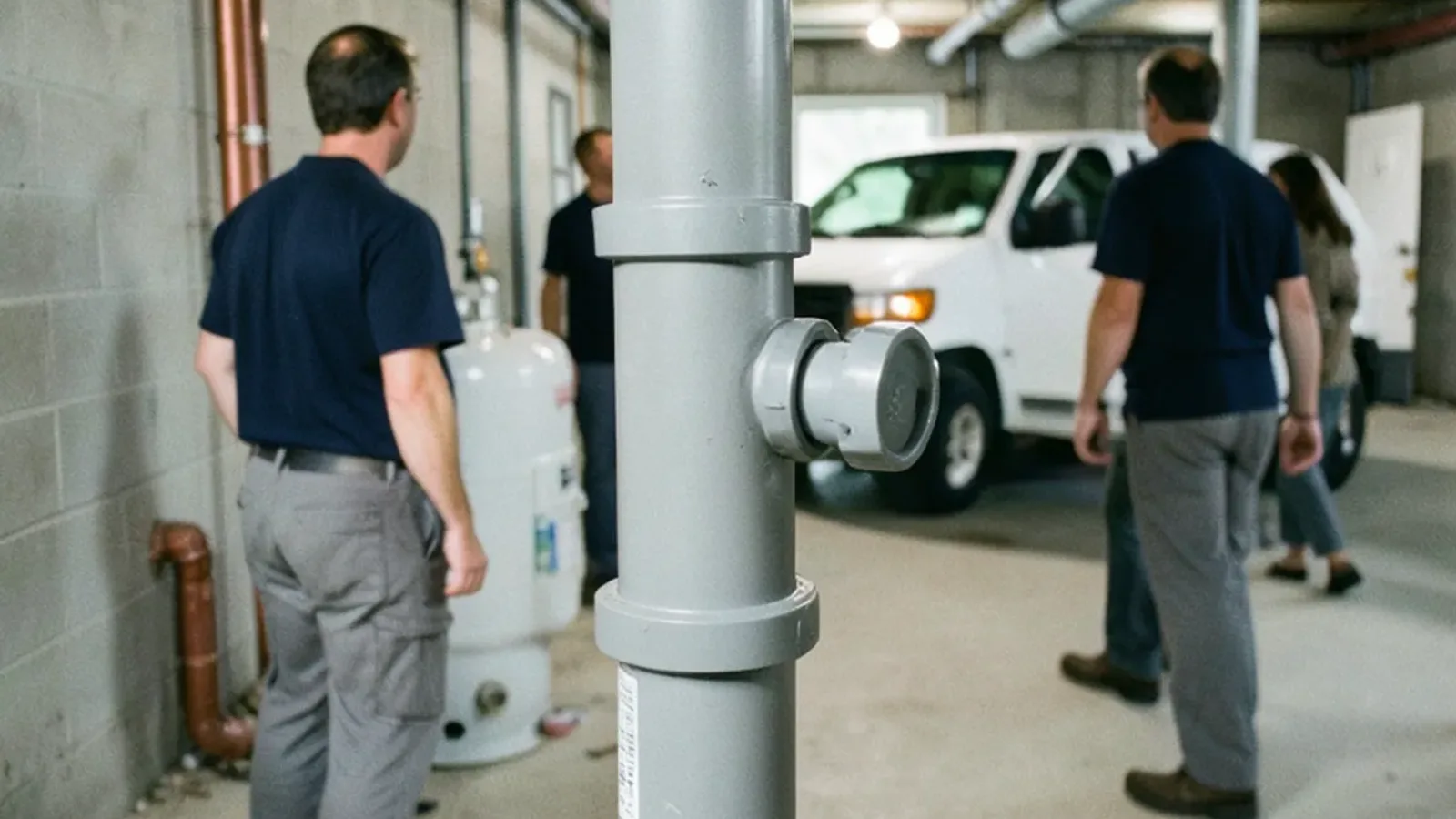
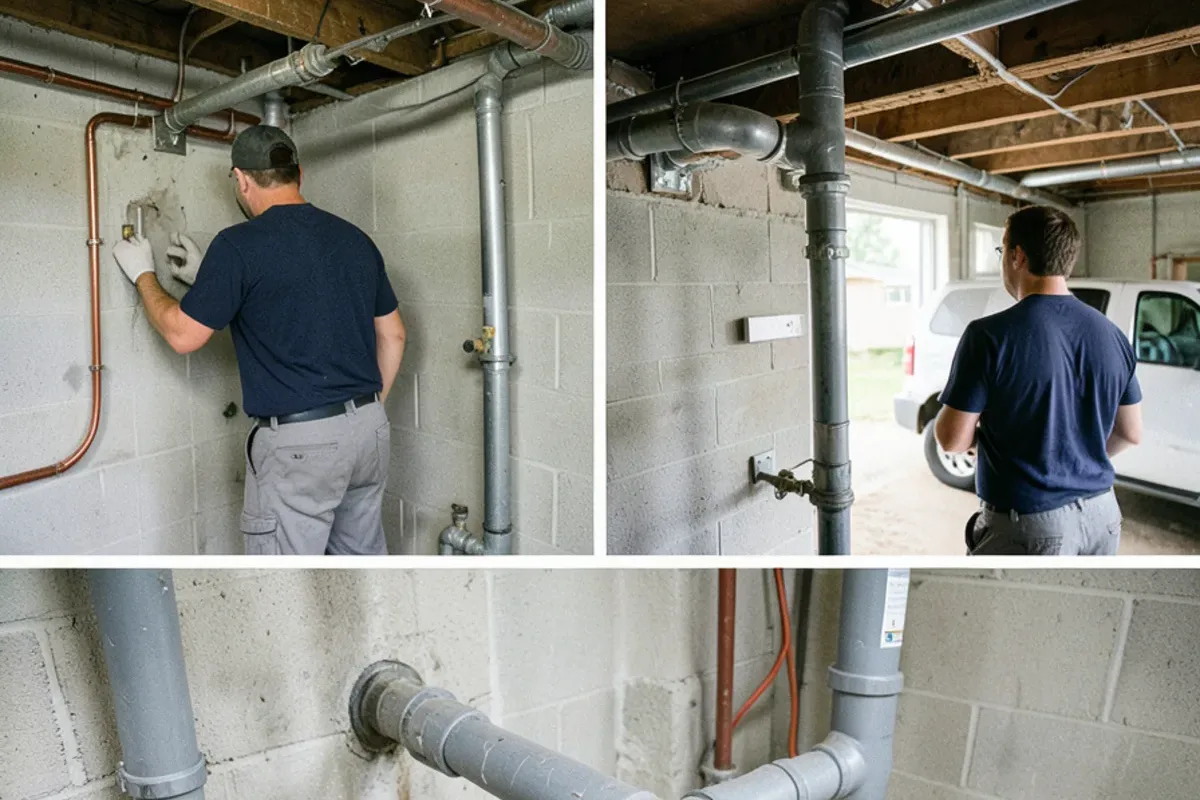
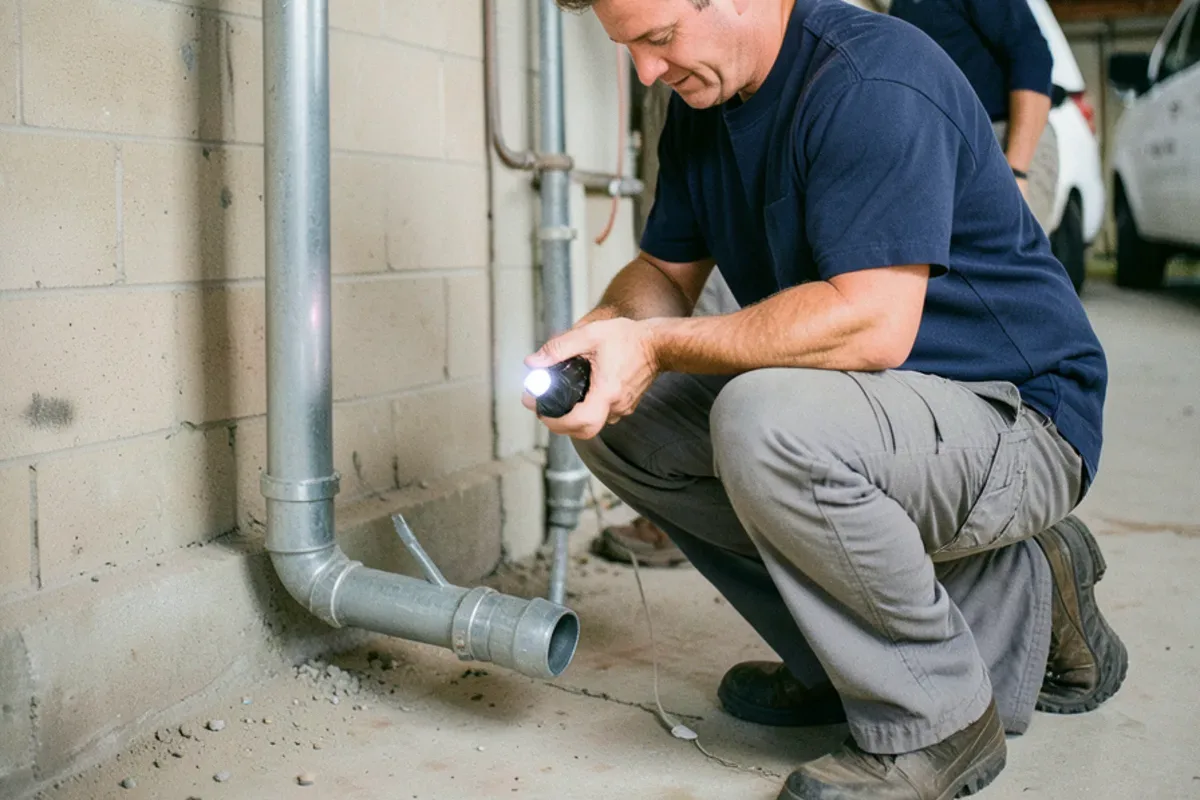
Polybutylene is usually dull gray, though it also came in blue and black, and it is about half an inch to an inch across with a slightly flexible feel, not rigid like copper. Look where supply lines are exposed: at the water heater, under sinks, at the main shutoff, and where pipe enters the walls in the basement. The fittings are the tell, often gray or white plastic acetal, or metal, crimped onto the pipe. If you see flexible gray plastic supply pipe in a home of that era, it is worth confirming, because the pipe can look sound right up until a fitting lets go.
Why polybutylene fails
The trouble is less the pipe than the chemistry. Chlorine and other oxidants in treated water react with polybutylene over years, making it brittle and flaky on the inside, and the failure tends to start at the fittings and joints where stress concentrates. Because that degradation happens from the inside, the pipe can look fine while it is weakening, and the first sign is often a sudden leak rather than a slow drip. On the treated Great Lakes water most of the county drinks, that chlorine exposure is a given, which is why these systems do not simply last indefinitely. The acetal plastic fittings used in many installations are the usual first failure point, since they grow brittle faster than the pipe and sit at the joints where water turns and stress concentrates, so a home can run for years on original poly and then see several fittings begin to weep in a short span as they all reach the same age at once.
Replace now or wait for a leak
The case for replacing before a failure is that polybutylene fails without much warning and often inside a wall or above a finished ceiling, so the first leak can mean water damage on top of the repair. Replacing on your schedule, with the water off and the work planned, avoids the 2 a.m. version. The case for waiting is cost and disruption if the system has been trouble-free. A reasonable middle path is to plan a repipe when other work opens the walls, or when a first fitting fails, rather than waiting for a second. Our polybutylene replacement page covers how the swap is done.
What replacement involves
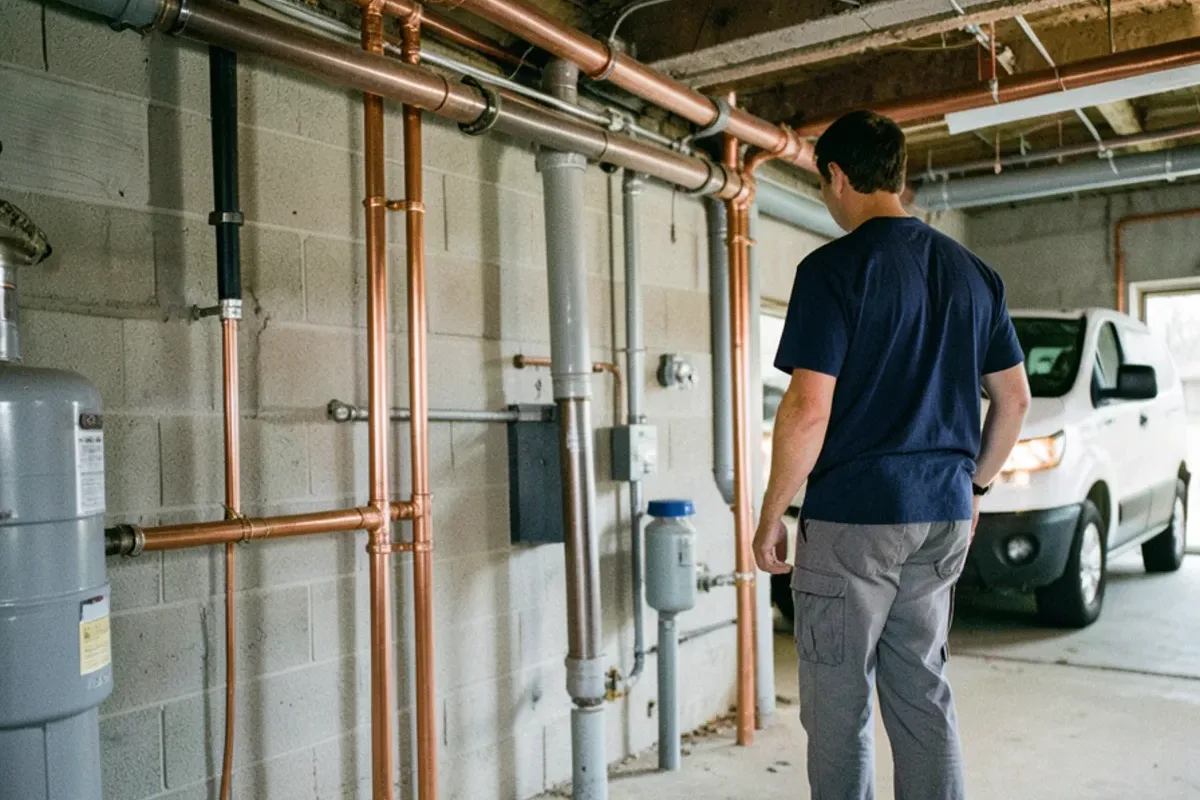
Repiping a home off polybutylene means running new supply lines, usually copper or PEX, to every fixture and tying them into the water heater and the main. In a 1990s Oakland County home the runs are often accessible in the basement, which keeps much of the work out of finished walls, though the final connections at sinks, tubs and the kitchen reach up into them. A planned repipe is done in a day or two for most homes, with the water off only while connections are made, and it ends the question of when the old plastic will finally give.
What it means for selling or insuring
Polybutylene follows a home beyond the plumbing itself, into the sale and the insurance. A thorough home inspector will flag gray poly supply pipe, and an informed buyer may ask for replacement or a price adjustment, so a seller who repipes ahead of listing removes a negotiating point rather than discovering it on an inspection report. On the insurance side, some carriers treat polybutylene as a known risk and will ask about it or decline to write a policy until it is replaced, because the failure pattern is well documented. None of this means the pipe will burst tomorrow, but it does mean the plastic quietly affects the home’s value and insurability as long as it is in the walls. For an owner planning to stay, that matters less; for one thinking about selling in the next few years, replacing it on a calm schedule tends to beat handling it under the pressure of a pending sale or a dropped policy.
Questions people ask about this
How do I know if my home has polybutylene pipe?
Look for dull gray flexible plastic supply pipe, about half an inch to an inch across, at the water heater, under sinks and at the main shutoff. The crimped plastic or metal fittings are the giveaway. It went into many homes built from the late 1970s into the mid 1990s, so a home of that era is worth checking.
Does polybutylene always need to be replaced?
It does not fail on a fixed schedule, but it degrades from the inside as treated water’s chlorine makes it brittle, and it tends to fail suddenly at the fittings. Because the first sign is often a leak behind a wall, many owners choose to replace it on their own schedule rather than wait for the water damage that an unplanned failure can bring.
Is repiping a polybutylene home disruptive?
Less than most owners expect. In a 1990s Oakland County home much of the supply pipe runs through an accessible basement, so a good share of the work stays out of finished walls, with only the final connections reaching up to fixtures. A planned repipe is usually done in a day or two, with the water off only while connections are made.
Want a plumber to look at your situation? We're on Pond Run in Auburn Hills.
(207) 419-2600