
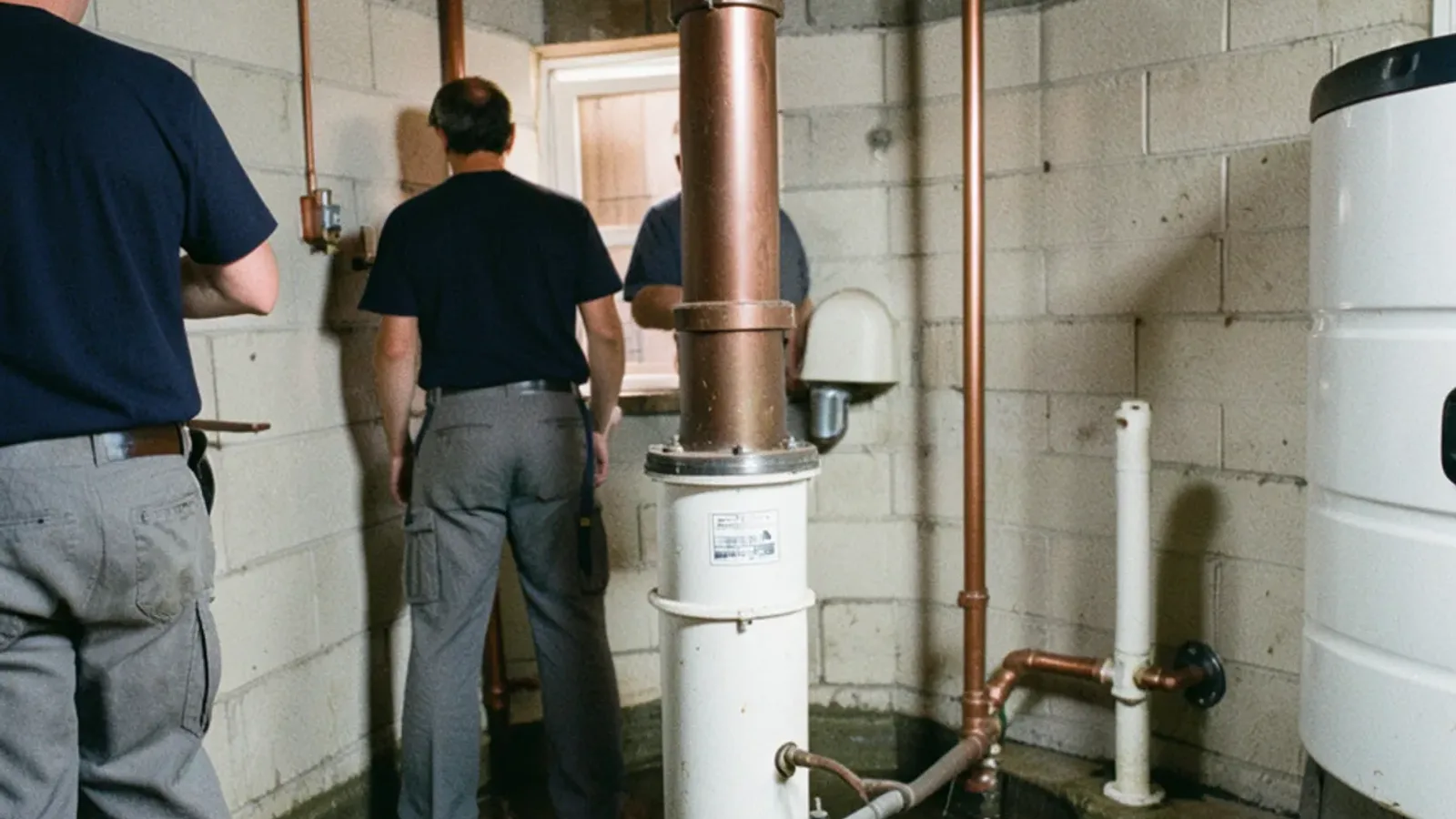
 By Plumber in Auburn Hills, MI, plumbers on Pond Run in Auburn HillsPublished October 28, 2026Last updated October 28, 2026
A sump pump is supposed to run in bursts, emptying the pit and shutting off until water rises again. When it runs constantly, it is either moving genuine water that keeps coming, or it is cycling on a fault that makes it pump when it should rest. The first is a drainage question; the second is a mechanical one, and they have very different fixes, so the useful first step is working out which you have.
Here are the usual causes, how to tell them apart, and what each one needs.
Real water versus a false signal
Start by deciding whether the pump is actually clearing water or just running. Watch a cycle: if the pit fills, the pump empties it, and then it refills quickly and the pump fires again, you have real water coming in fast. If the pump runs but the level barely moves, or it cycles with little water in the pit, something is telling it to run when it should not. That single observation splits the problem into a groundwater issue on one side and a stuck float, a bad check valve or a short-cycling setup on the other.
High groundwater and spring runoff
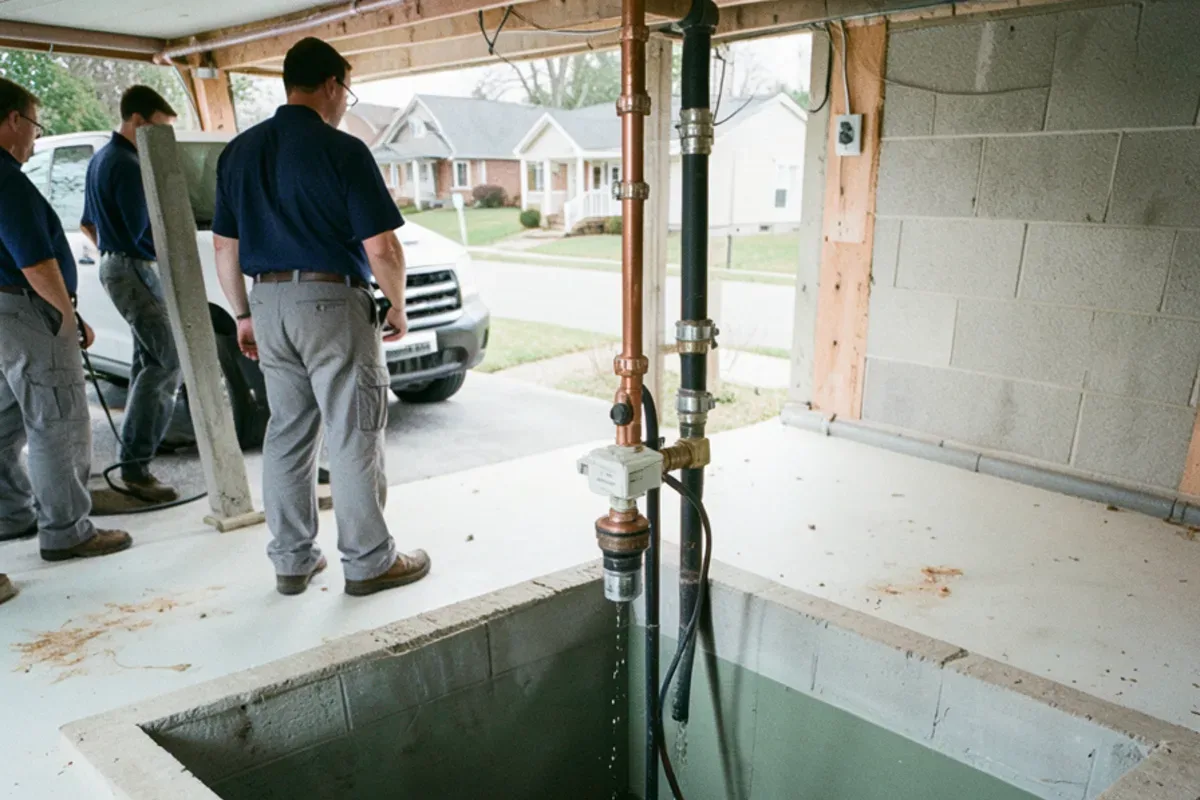
Across the lake-dotted parts of Oakland County, from Waterford to the Orion lakes, the water table rises in spring and after heavy rain, and a pump in a low or near-lake home can genuinely run for hours because water keeps filling the pit. That is the pump doing its job, but running nonstop still wears it out faster and leaves no margin if it fails at the peak. When the cause is real, sustained water, the answer is usually a pump sized to the load and a backup for when the main one cannot keep up or the power drops, which our battery backup sump pump page covers.
A stuck float or a failed check valve
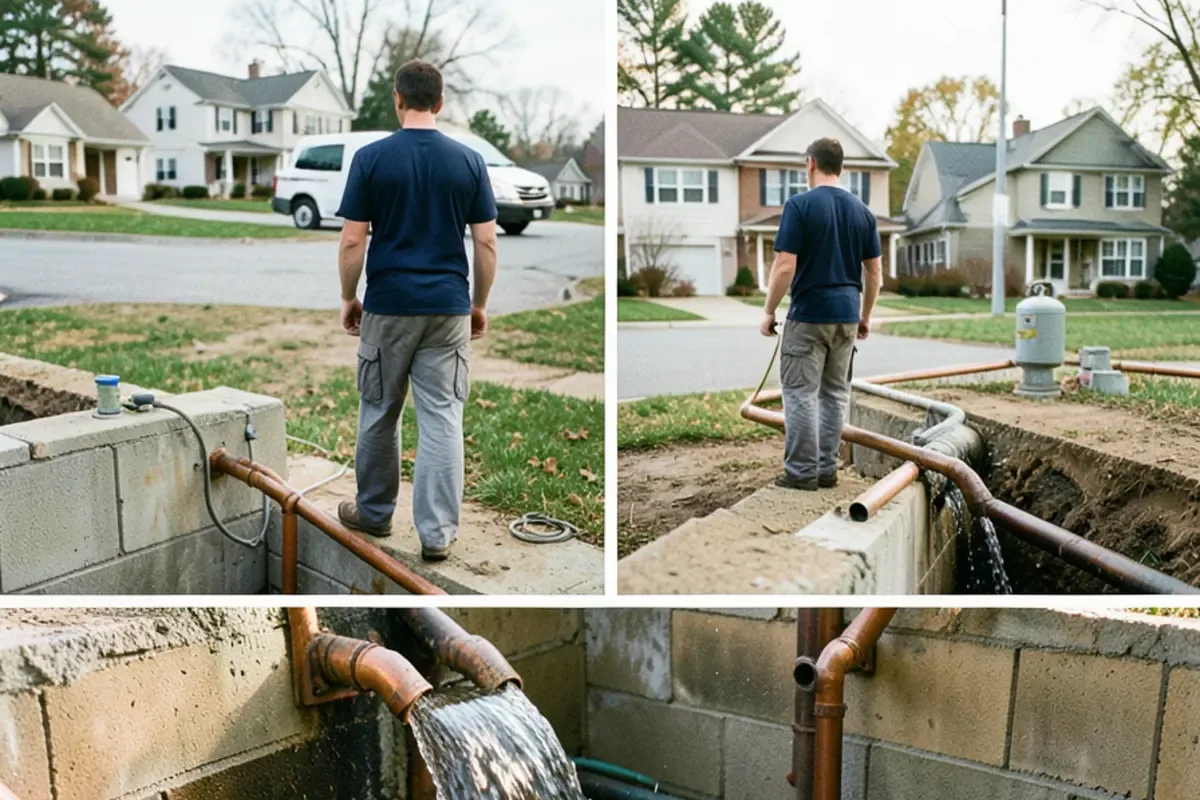
When the pump runs without much water to show for it, the common culprits are mechanical. The float switch that turns the pump on and off can jam against the pit wall or the pump itself, holding the pump in the on position. The check valve on the discharge line, which is supposed to stop pumped water from falling back into the pit, can fail, so the pump lifts the same water again and again and never gets ahead. A pit that is too small makes the pump short-cycle, firing constantly on little water. Each of these is a repair, not a drainage project, and each quietly shortens the pump’s life. The good news is that they are usually quick to sort once identified: a float freed or re-routed, a check valve swapped, or a switch replaced costs little against a new pump, and catching the fault early is what keeps a running-on-nothing pump from burning out and becoming exactly that.
Why constant running is a problem either way
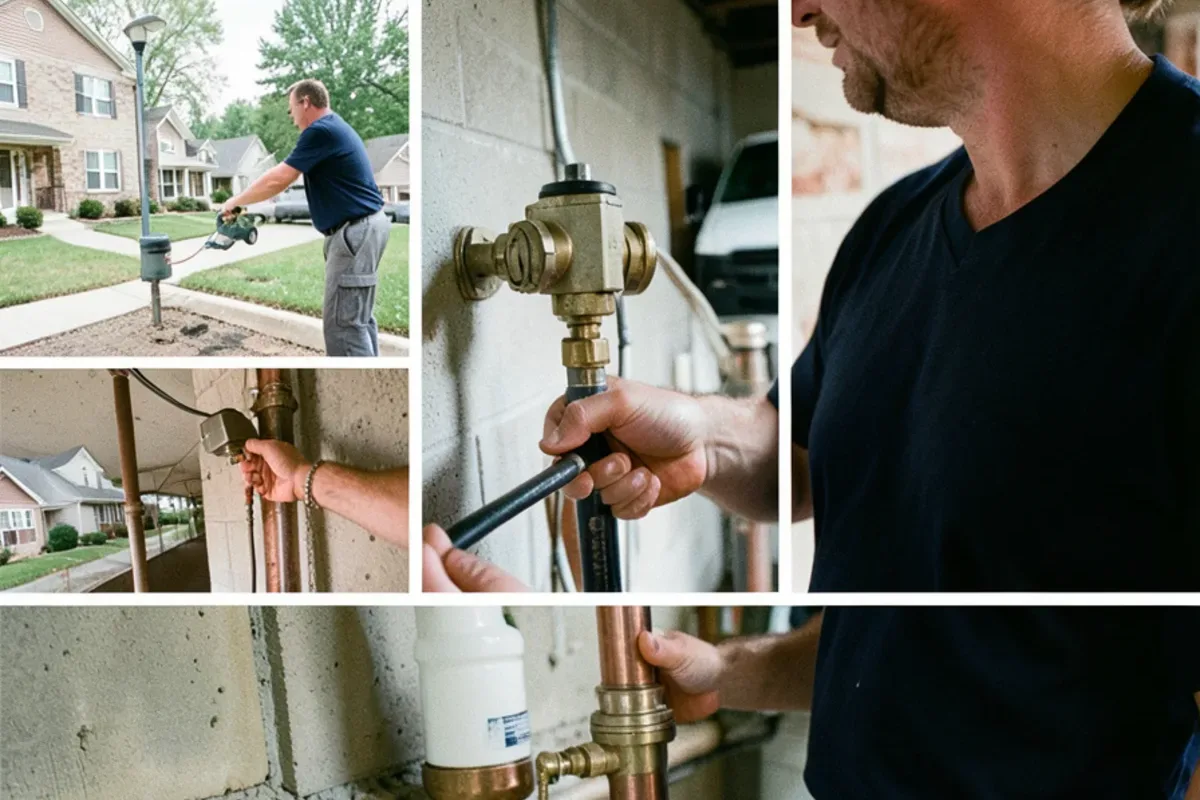
Whatever the cause, a pump that never rests is a pump wearing out, and it tends to fail at the worst moment, during the very storm that was keeping it busy. A motor run continuously overheats and ages, the switch cycles toward failure, and the one time you need it most is the time it is most likely to quit. That is why constant running is worth diagnosing even when the basement is dry: it is a warning the system is either overmatched or faulty, and both end the same way if ignored. There is a cost angle too, since a pump cycling all day uses electricity and announces itself in the next bill, so a fault that makes it run needlessly is quietly costing money on top of the life it is burning off the motor. Our sump pump work sorts the cause and sizes the fix.
What to do about it
If the pit refills fast and the pump is simply keeping up with real water, the move is a properly sized pump and a backup so a single failure or outage does not flood the basement. If the pump runs on little water, free a stuck float, replace a failed check valve, or correct a pit that is too small, so it stops cycling needlessly. Either way, do not leave a constantly running pump alone on the theory that at least it is working, because the running itself is using up the life you will want during the next heavy rain.
Questions people ask about this
Is it bad if my sump pump runs all the time?
Yes, whatever the cause. Continuous running wears the motor and switch and tends to make the pump fail during the very storm keeping it busy. It either means real water is overwhelming the pit, which calls for a backup pump, or a fault like a stuck float is making it run needlessly. Both are worth fixing before the pump quits.
How do I tell if my sump pump is pumping real water or just cycling?
Watch one cycle. If the pit fills, the pump empties it, and it refills quickly, you have genuine water coming in and the pump is doing its job. If the pump runs but the level barely drops, or it fires with little water in the pit, a stuck float or a failed check valve is making it run when it should be resting.
Why does my pump run for hours in spring?
In the lake areas of Oakland County the water table rises with spring melt and heavy rain, so a low or near-lake home’s pit keeps filling and the pump keeps clearing it. That is the pump working as intended, but running that hard shortens its life, so a correctly sized pump and a battery backup are worth having before the peak.
Want a plumber to look at your situation? We're on Pond Run in Auburn Hills.
(207) 419-2600