
 By Plumber in Auburn Hills, MI, plumbers on Pond Run in Auburn HillsPublished October 28, 2026Last updated October 28, 2026
Drive north through Oakland County and the plumbing underneath the homes changes, even where the houses look alike. The built-up south and the city centers run on treated Great Lakes water piped through the regional system; the rural and lake townships to the north run on private wells. Which one supplies your home shapes everything from water pressure to hardness to the kind of problem that leaves you without water, so it is worth understanding what you actually have.
Here is how the two differ in practice, and what each means for the plumbing in a north Oakland County home.
Where the line falls in the county
There is no hard border, but the pattern is consistent. The cities and denser suburbs, the Pontiac and Rochester areas, the lake cities, the southern tier, are mostly on municipal water drawn from the Great Lakes and distributed by the regional authority and local systems. The rural and semi-rural townships to the north and the outer edges, places like Independence, Oakland, Oxford and Addison, are largely on private wells, with city service thinning out as the lots grow larger. Many homes sit in the transition, on a well a few minutes from a neighbor on city water, which is why the first question on a service call out here is simply which one you are on.

Pressure and what cuts your water off
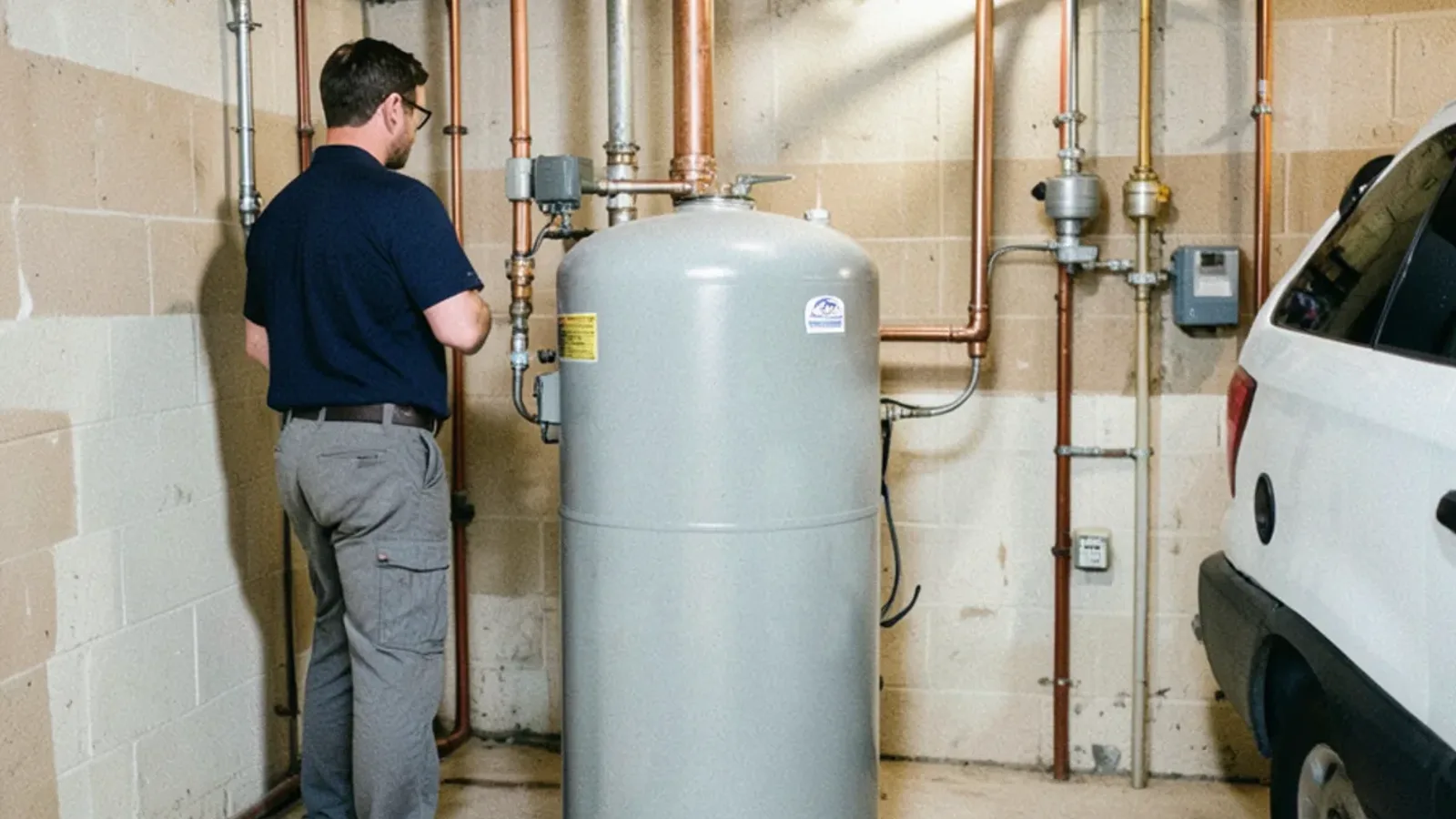
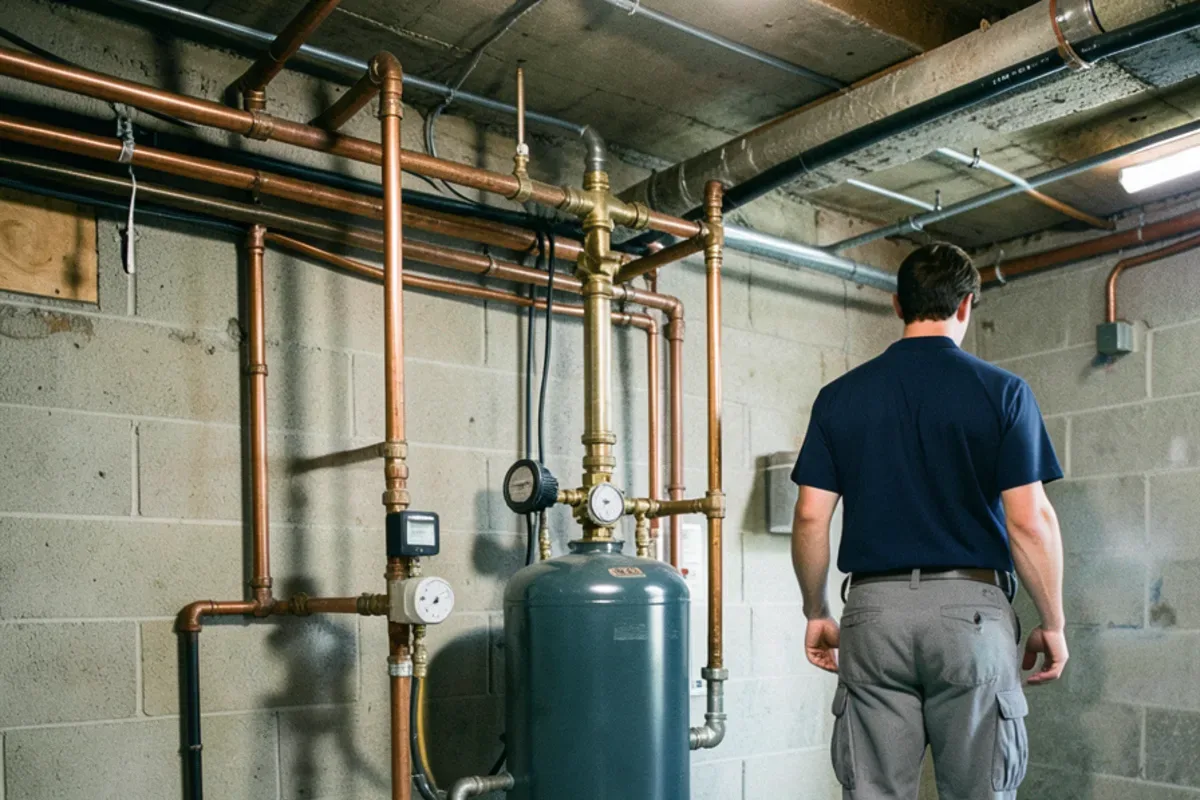
The biggest practical difference is where your water pressure comes from and what can take it away. On city water, pressure is supplied by the municipal system and is generally steady; when it drops, the cause is usually inside your home, a corroded line or a partly closed valve, rather than the supply. On a well, your pressure is made and stored by a pump and a pressure tank in your own basement, so a tired pump, a waterlogged tank or a failed pressure switch directly changes it, and when one fails the house can go completely dry with no city main to fall back on. That self-contained system is the defining feature of a well home, and our well pump work keeps it running.
Hardness, iron and water quality
Both kinds of water in this county tend to be hard, but they are hard in different ways and need different handling. Great Lakes city water is treated and consistent, carrying a chlorine residual and a predictable hardness that a standard softener handles well. Well water varies from one property to the next and often carries more: higher hardness, iron that stains fixtures and laundry, sometimes sulfur that smells, and in parts of the county naturally occurring arsenic that only a test will reveal. So a city home usually needs a softener at most, while a well home may need an iron filter, specific treatment and periodic testing, which is why water quality is a bigger ongoing job on a well. Our water softener page covers the treatment side.
What each means for maintenance
A city-water home’s plumbing maintenance is mostly about what is inside the house: the water heater, the fixtures, the supply lines, and a softener for the hardness. The supply itself is someone else’s responsibility up to the meter. A well home owns the whole system, which means the pump, the pressure tank, the controls and the treatment are all yours to maintain, and neglect shows up as a dry tap or bad water rather than a bill. Neither is harder than the other so much as different, and a plumber working north Oakland County has to be fluent in both, because the same address can be a municipal home this year and, after a well goes in on a new build next door, something else entirely.
If you are buying or building up here
If you are moving into north Oakland County, find out early which system the home has, because it changes what you are taking on. On a well, have the water tested, including for arsenic, and have the pump and pressure tank looked at, since those are now your responsibility and their condition is not obvious from the tap. On city water, the questions are simpler and mostly about the age of the home’s own plumbing. Either way, knowing what supplies the house tells you what can fail and what it will cost to keep right, which is worth understanding before a problem introduces you to the system the hard way.
Questions people ask about this
How do I know if my Oakland County home is on a well or city water?
Check the basement. A private well home has a pressure tank, a pump and often treatment equipment, and no water meter from the city. A city-water home has a meter where the service enters and no pressure tank. If you are unsure, the equipment makes it clear, and it matters because the two systems fail and are maintained in different ways.
Is well water worse than city water in north Oakland County?
Not worse, but different and more variable. Well water often carries more hardness, iron and sometimes sulfur or arsenic, so it needs testing and treatment the city supply does not. City water is treated and consistent, usually needing only a softener. A well also puts the pump and pressure tank in your care, which city water keeps on the utility’s side.
Should I test my well for arsenic in Oakland County?
Yes. Parts of northern Oakland County have naturally occurring arsenic in the groundwater, and it has no taste or smell, so testing is the only way to know. Where it is present it needs treatment built specifically for arsenic, since an ordinary softener does not remove it, which makes a test an important step for any well home here.
Want a plumber to look at your situation? We're on Pond Run in Auburn Hills.
(207) 419-2600